
Blog

  • Bonnie Tyler out of coma but ‘very unwell’ after emergency surgery

    Bonnie Tyler out of coma but ‘very unwell’ after emergency surgery


    Bonnie Tyler Out of Coma But Still ‘Very Unwell’ After Shocking Emergency Surgery — Here’s What We Know

    Legendary Welsh singer Bonnie Tyler, best known for her iconic 1983 power ballad Total Eclipse of the Heart, has come out of an induced coma following emergency intestinal surgery — but her condition remains serious. Fans around the world have been sending an outpouring of love and well wishes to the beloved rock vocalist as she battles through what has clearly been an incredibly difficult health ordeal.

    The news broke and spread rapidly across social media, with fans old and new rallying behind the star. Tyler, who has been a fixture in pop and rock music for decades, is reportedly receiving round-the-clock medical care as she begins what is expected to be a long and challenging recovery process. The situation has shocked many who had no idea the singer was facing such a serious health crisis.

    What Happened to Bonnie Tyler?

    According to reports, Bonnie Tyler underwent emergency intestinal surgery that led to her being placed in a medically induced coma. Induced comas are typically used by medical teams to protect patients from pain and allow the body to heal after particularly serious or traumatic procedures. The fact that such measures were necessary underscores just how severe the situation was.

    While the full details of her condition have not been made entirely public — which is understandable given the private nature of medical situations — what is known is that she has now emerged from the coma. However, her representatives and those close to her have been clear that she remains “very unwell.” This is not a quick bounce-back situation, and Tyler still has a significant road ahead of her.

    The singer is currently in the care of medical professionals, and those around her are urging fans to keep her in their thoughts while also respecting the family’s privacy during this sensitive time.

    A Voice That Defined a Generation

    For anyone who grew up in the 1980s — or has ever heard a movie soundtrack, been to a karaoke bar, or watched a feel-good film montage — Bonnie Tyler needs no introduction. Her raspy, powerhouse voice is one of the most distinctive sounds in pop music history. Total Eclipse of the Heart remains one of the best-selling singles of all time, and it still gets played at events, weddings, and sports stadiums around the globe.

    Born Gaynor Hopkins in Skewen, Wales, Tyler adopted her stage name early in her career and rose to prominence in the late 1970s with hits like It’s a Heartache. But it was her collaboration with legendary songwriter Jim Steinman in 1983 that launched her into true superstardom. The dramatic, operatic power of Total Eclipse of the Heart became a cultural touchstone that has never really faded from public consciousness.

    She also scored huge success with Holding Out for a Hero, which featured in the Footloose soundtrack and cemented her status as a rock-pop icon. Tyler represented the United Kingdom in the Eurovision Song Contest in 2013 with the song Believe in Me, proving that even decades into her career, she remained a beloved public figure.

    Fans React With an Outpouring of Love

    As news of Tyler’s health scare spread, social media platforms lit up with messages of support. The hashtag related to her name trended on multiple platforms as fans from the UK, USA, Australia, and beyond shared memories of what her music meant to them. Many shared videos of her greatest performances, while others simply posted heartfelt messages wishing her a full and speedy recovery.

    Fellow musicians and celebrities have also been among those sending good wishes. Tyler is widely respected in the music industry not just for her commercial success but for her genuine talent and the emotional depth she brings to every performance. Her voice — that signature husky, passionate delivery — is something that cannot be replicated or manufactured.

    It’s a reminder of just how much these artists mean to people. Music has a unique way of weaving itself into the most important moments of our lives, and for millions of people, Bonnie Tyler’s songs are tied to memories that will last a lifetime.

    Understanding Induced Comas and Recovery

    For those unfamiliar with the medical procedure, an induced coma — also known as a medically induced coma or therapeutic coma — involves administering controlled doses of anesthetic drugs to bring a patient to a state of deep unconsciousness. This is done deliberately by medical teams to protect the brain and body during or after a particularly serious medical event, such as complex surgery or significant trauma.

    The fact that Tyler’s surgical team opted for this approach indicates the seriousness of her intestinal surgery. Intestinal surgeries can range from relatively straightforward procedures to highly complex operations depending on the nature of the issue — whether it involves a blockage, perforation, infection, or other condition. Recovery from such surgeries, especially when an induced coma has been involved, can take considerable time.

    The good news is that Tyler has come out of the coma, which is a significant and positive step. However, as her team has emphasized, she is still very unwell, and full recovery will require time, rest, and continued medical support. Rushing back to normal life is simply not on the cards right now.

    A Career Built on Resilience

    What makes this news particularly striking to long-time fans is that Bonnie Tyler has always come across as someone with incredible strength and resilience. Her career wasn’t always smooth sailing — like many artists, she faced periods of commercial uncertainty and personal challenges — but she always found a way to come back, belt out another powerhouse performance, and remind the world why she matters.

    That same resilience is what fans are now hoping carries her through this health battle. The woman who sang about holding out for a hero is now the one who needs a little support from the people who love her work. And judging by the global response, that support is there in abundance.

    Tyler has also spoken openly in the past about her love for touring and performing, noting that connecting with audiences gives her genuine joy. The hope among fans and music lovers everywhere is that she will eventually be able to return to that — to step back on a stage somewhere and remind everyone exactly why she became a legend in the first place.

    What Happens Next?

    At this stage, there is no confirmed timeline for Tyler’s recovery, which is entirely appropriate given the seriousness of her condition. Her medical team will be guiding the process, and any updates will likely come through official channels when the time is right. Fans are being encouraged to be patient and to avoid spreading unverified information about her condition.

    What is clear is that the global music community is firmly behind her. Whether you discovered Bonnie Tyler through her 80s heyday, stumbled across Total Eclipse of the Heart in a film, or heard Holding Out for a Hero in a workout playlist, her impact is undeniable. She is one of those rare artists whose voice alone can stop you in your tracks.

    We at AtlasTrending.com will continue to follow this story and bring you any updates as they become available. For now, all thoughts are with Bonnie Tyler, her family, and her medical team as she fights her way back to full health.

    Wishing Bonnie Tyler a Full and Speedy Recovery

    In a world that often moves too fast and forgets to appreciate what it has, moments like this serve as a reminder to cherish the artists who have given so much of themselves to their craft. Bonnie Tyler has given the world decades of incredible music, unforgettable performances, and a voice unlike any other. The least the world can do is send her strength right now.

    Get well soon, Bonnie. The world is holding out for you.

    What do you think? Have Bonnie Tyler’s songs played a special role in your life? Share your favourite memory of her music in the comments and send some love her way during this tough time.

    This article is for informational purposes only.

  • How will social media ban work and when does it start?

    How will social media ban work and when does it start?


    UK Social Media Ban for Teens: How It Works, When It Starts, and What Parents Need to Know

    Big changes are coming to the UK’s digital landscape — and if you’re a teenager, or the parent of one, this news is going to affect your daily life in a major way. The UK government has announced sweeping new measures that will ban children and teens from using popular social media platforms like TikTok and Snapchat. And it’s not just talk — this is actually happening, with a firm timeline already in place.

    The ban is set to roll out in early 2027, giving platforms, parents, and young users a window to prepare. But how exactly will it work? Who enforces it? And what does it mean for the millions of UK teens currently scrolling their feeds every day? Let’s break it all down.

    What Exactly Is Being Banned?

    The UK’s new social media restrictions will prevent children under a certain age — expected to be under 16 — from accessing major social media platforms. Apps like TikTok, Snapchat, Instagram, and potentially others will be required to block underage users from signing up or accessing their services. This isn’t a soft recommendation or a parental advisory — it’s a hard legislative requirement.

    The measures are part of the Online Safety Act, which has been making its way through the UK’s legislative process for years. The Act puts the responsibility squarely on the platforms themselves, not just parents. Tech companies will be legally obligated to verify the ages of their users and take active steps to prevent minors from accessing age-restricted content and services.

    Failure to comply won’t come cheap. Platforms that don’t follow the rules face massive fines — potentially billions of pounds — and could even face being blocked entirely in the UK. So yes, the stakes are extremely high for Silicon Valley giants.

    How Will Age Verification Actually Work?

    This is the big question everyone is asking. Age verification online has historically been a tricky problem to solve. Simply asking someone to type in their birthday — as platforms currently do — clearly doesn’t work. Anyone can lie about their age in two seconds flat.

    Under the new framework, platforms will need to implement much more robust age verification methods. This could include uploading official ID documents, using credit card checks (since only adults can hold credit cards), or using third-party age verification services that cross-reference personal data. There’s also growing interest in device-level age verification, where a child’s device itself would signal their age status to apps.

    Ofcom, the UK’s communications regulator, will be overseeing the rollout and will issue detailed guidance to platforms on what technically qualifies as adequate age verification. The regulator has already been consulting with tech experts, civil liberties groups, and child safety organisations to develop a workable framework that protects kids without turning the internet into a surveillance nightmare for adults.

    When Does the Ban Come Into Effect?

    The timeline is early 2027. That gives platforms roughly a year and a half from now to get their systems in order. While that might sound like a long time, building and deploying robust age verification technology at a global scale is genuinely complex. Companies like TikTok and Snapchat will need to overhaul significant parts of their sign-up and access infrastructure.

    Ofcom is expected to publish its final codes of practice before the end of 2025, which will give companies their marching orders. From that point, the clock starts ticking. Platforms will need to be fully compliant before the 2027 deadline hits — or face the consequences.

    Some industry insiders believe the timeline is ambitious. Tech companies have historically pushed back against aggressive regulation timelines, citing the technical complexity and cost involved. But with the UK government showing no signs of backing down, it seems the 2027 target is firm.

    Why Is the UK Doing This Now?

    The UK isn’t alone in grappling with this issue. Australia made headlines late in 2024 when it passed its own landmark social media ban for children under 16 — one of the strictest in the world. The UK’s move is partly inspired by the global momentum building around child online safety.

    Concerns about the mental health impact of social media on young people have been building for years. Studies linking heavy social media use to anxiety, depression, body image issues, and sleep deprivation in teenagers have piled up. High-profile cases of cyberbullying, online grooming, and exposure to harmful content have put enormous pressure on governments to act.

    Perhaps most powerfully, parent advocacy groups — many formed in the wake of tragic cases involving young people harmed through social media — have been lobbying hard for exactly this kind of legislation. Their voices have carried significant weight in Parliament, and the political will to act has never been stronger.

    What Do the Platforms Say?

    Unsurprisingly, the major tech companies have had mixed reactions. Some have publicly stated their support for child safety measures in principle, while quietly expressing concern about the practicalities of implementation. TikTok, for example, has invested in its own family safety features and content restrictions for younger users — but critics argue these self-regulatory measures don’t go nearly far enough.

    Snapchat has similarly introduced features like “Family Center,” which allows parents to see who their child is communicating with on the platform. But again, these tools are optional and rely on parental engagement — which isn’t always consistent or reliable.

    The real test will come when Ofcom’s final guidance drops and companies have to put hard numbers and technical specifications behind their compliance plans. That’s when we’ll see whether the platforms are genuinely committed to change — or whether they’ll try to find loopholes.

    What About Privacy Concerns?

    Any system that requires age verification at scale inevitably raises serious privacy questions. Uploading your passport or driving licence to a social media app doesn’t exactly feel like a comfortable prospect for most people — and digital rights advocates have been vocal about the risks.

    There’s a real tension here between protecting children and preserving the privacy of adult users. The concern is that age verification systems, if poorly designed, could create vast databases of sensitive personal information that become targets for hackers or are misused by companies.

    Ofcom has acknowledged these concerns and has indicated that it will require platforms to use privacy-preserving verification methods wherever possible — meaning your actual ID details shouldn’t necessarily be stored by the social media company itself. Third-party verification services that simply confirm “yes, this person is over 16” without sharing the underlying data are seen as a preferred approach.

    How Will This Affect UK Teens Day-to-Day?

    Let’s be honest — for the teenagers currently using these platforms, this is going to feel like a massive disruption. TikTok and Snapchat aren’t just entertainment apps for many young people; they’re primary social communication tools. Friend groups organise on Snapchat. Trends, humour, and cultural moments live on TikTok. Being cut off from those spaces is significant.

    That said, the ban applies to new sign-ups and access going forward — the exact details of what happens to existing underage accounts are still being worked out. Some teens will inevitably try to use VPNs or find other workarounds, and no system will be 100% foolproof. But the aim is to make it substantially harder for young people to access these platforms, not to create a perfect technological wall.

    Parents, meanwhile, will likely welcome the additional backup. Many have felt overwhelmed trying to monitor their children’s online activity and have been calling for platforms to take more responsibility. This legislation shifts the burden — at least in part — back onto the tech companies where many believe it belongs.

    Is This the Start of a Global Trend?

    Almost certainly, yes. With Australia, the UK, and several other nations moving toward stricter social media regulation for minors, the pressure on platforms is building from all directions. The EU has its own Digital Services Act with provisions around protecting minors. In the US, several states have passed or are considering similar legislation, even as federal action remains stalled.

    The era of social media platforms operating with minimal oversight when it comes to young users appears to be drawing to a close. Whether you think that’s a good thing or a concerning overreach, the regulatory wave is coming — and 2027 in the UK is just one of many milestones on the horizon.

    The conversation around children, technology, and mental health isn’t going away. If anything, it’s just getting started.

    What Do You Think?

    Do you think a social media ban for UK teens is the right move, or does it go too far? Will it actually protect young people — or just push them toward less regulated corners of the internet? Drop your thoughts and let’s talk about it.

    This article is for informational purposes only.


  • Brazilian woman dies after rope-jumping instructors fail to attach cord

    Brazilian woman dies after rope-jumping instructors fail to attach cord


    Tragic Death in Brazil: Woman Jumps from Bridge After Instructors Forget to Attach the Rope

    In a devastating and completely avoidable tragedy, a Brazilian woman has lost her life after rope-jumping instructors helped her leap from a bridge — without ever attaching the safety cord to her body. The shocking incident has sent waves of horror across Brazil and around the world, raising serious questions about safety standards in extreme sports.

    Three men connected to the activity have since been arrested, and authorities are now investigating how such a catastrophic oversight could have occurred. This is the kind of story that makes you stop scrolling — because it’s almost impossible to believe something so fundamental could go so terribly wrong.

    What Exactly Happened?

    The victim, a Brazilian woman whose identity has been reported in local media, had signed up for what should have been a thrilling rope-jumping experience from a bridge. Rope jumping — sometimes called “rope swing” or “bridge jumping” — is an extreme sport where participants are secured with a rope and leap from a high structure, experiencing a freefall before the cord catches them.

    In this case, however, the instructors allegedly failed to properly attach the rope to the woman before encouraging her to jump. Without that critical connection, she fell freely, plummeting to her death. It is a moment that no amount of adrenaline-seeking should ever cost someone their life.

    The incident reportedly took place on a bridge in Brazil, and witnesses were left in absolute shock. What was meant to be an exciting adventure turned into an irreversible nightmare in a matter of seconds.

    Three Instructors Arrested — What Are They Facing?

    Brazilian authorities moved quickly following the incident. Three men believed to be the instructors responsible for managing the jump have been taken into custody. Police are investigating the circumstances surrounding the death, with potential charges ranging from criminal negligence to manslaughter.

    In Brazil, cases involving gross negligence that leads to death can carry significant prison sentences. Legal experts speaking to local outlets have suggested that the instructors could face serious consequences if it is proven that proper safety protocols were completely ignored.

    The arrests have done little to comfort the victim’s family and loved ones, who are now left grieving a loss that should never have happened. No legal outcome can undo what occurred on that bridge.

    A Sport That Demands Absolute Precision

    Rope jumping and bungee jumping are extreme sports that, when done correctly, have well-established safety records. Professional operators around the world follow strict checklists and protocols — double-checking harnesses, cords, and attachment points before anyone goes near the edge. The entire premise of these activities depends on one thing above all else: the rope must be attached.

    Safety experts in the extreme sports world have long emphasized that pre-jump checks are non-negotiable. Many reputable companies use a two-person verification system, where a second instructor independently confirms all attachments before a jump is cleared. It’s a simple but life-saving step.

    In this tragedy, that essential step appears to have been skipped entirely — and the consequences were fatal. The extreme sports community worldwide is now reflecting deeply on what minimum safety standards should look like, and whether informal or unlicensed operators should face tougher regulations.

    Is Rope Jumping Safe? Understanding the Risks

    For those unfamiliar, rope jumping differs slightly from bungee jumping. In bungee jumping, an elastic cord provides a bouncing effect. In rope jumping, a non-elastic rope is used, creating a pendulum-like swing after the initial freefall. Both require precise equipment checks and certified operators.

    When performed by licensed, experienced professionals with proper equipment, rope jumping carries relatively low risks. Fatalities and serious injuries do occur in the industry globally, but they are most commonly linked to equipment failure, incorrect harness fitting, or — as appears to be the case here — human error of the most basic kind.

    This incident serves as a brutal reminder that extreme sports are only as safe as the people running them. A thrill-seeker puts enormous trust in their instructors, and that trust must be honored with absolute professionalism.

    Outrage Pours In Across Social Media

    As news of the tragedy spread, social media users across Brazil and internationally expressed outrage, grief, and disbelief. Many could not comprehend how trained instructors could fail to perform what is essentially the most basic safety check in the entire activity.

    “How do you forget to attach the rope? That IS the whole point,” one widely shared comment read. Others expressed sympathy for the victim’s family, calling for stricter licensing laws for extreme sports operators across Brazil.

    Brazilian consumer protection advocates and sports safety organizations have already begun calling on the government to introduce tighter oversight for adventure tourism and extreme sports activities. The hope is that this tragedy will not be forgotten — and that it will drive meaningful change before another life is lost.

    The Broader Issue: Regulation of Extreme Sports in Brazil

    Brazil has a thriving adventure tourism industry, with activities like hang gliding, paragliding, bungee jumping, and rope jumping drawing both locals and international tourists. The country’s stunning landscapes — from the Amazon to its dramatic coastal cliffs — make it a natural destination for thrill-seekers.

    However, regulation of these activities has long been a concern. While some operators maintain high safety standards and international certifications, others operate informally, with little oversight or accountability. The gap between the best and worst operators can, quite literally, be the difference between life and death.

    Industry insiders have repeatedly called for a national registry of certified extreme sports operators, mandatory safety audits, and clearer legal consequences for negligence. This tragedy may finally be the catalyst that pushes Brazilian lawmakers to act decisively.

    A Family Left Devastated

    Behind every news story is a human being, and behind this one is a family shattered by grief. The victim was someone’s daughter, perhaps someone’s sister, friend, or partner. She stepped up to the edge of that bridge seeking excitement and adventure — a feeling that millions of people around the world chase every single day.

    She deserved to land safely, to laugh about the adrenaline rush afterward, to share the video with friends. Instead, her family is left with questions, grief, and an absence that will never be filled.

    Our thoughts go out to everyone who loved her. This tragedy should never have happened — and the world needs to make sure lessons are learned so it never happens again.

    What Needs to Change?

    The conversation that follows this tragedy must be about more than punishment for the three arrested men. It needs to be about systemic change. Every extreme sports operator should be required to hold certification, carry insurance, and operate under regular independent safety inspections.

    Tourists and adventure-seekers also have a role to play — always research operators before booking, look for certifications and reviews, and never be afraid to ask questions about safety procedures. If something feels off, trust your instincts.

    No jump, no thrill, no social media moment is worth your life. And no operator should ever be allowed to make that choice for someone else through sheer negligence.

    Final Thoughts

    This is one of those stories that cuts deep, not just because of the horror of what happened, but because of how completely preventable it was. A rope. That’s all it took. One rope, properly attached, and a young woman would still be alive today.

    As the investigation continues and the three suspects face the legal system, the world watches — hoping that justice is served and that this devastating loss leads to real, lasting change in how extreme sports are regulated and operated.

    Rest in peace to the victim. May her story save lives.

    What do you think? Should extreme sports operators face stricter government regulation and mandatory safety certifications? Drop your thoughts in the comments below — we want to hear from you.

    This article is for informational purposes only.

  • Hydration breaks – who are the winners and losers?

    Hydration breaks – who are the winners and losers?


    Hydration Breaks at the FIFA World Cup: Who’s Winning and Who’s Losing When Play Stops?

    They’ve become one of the most talked-about features of the FIFA World Cup — those mandatory hydration breaks that pause the action mid-half. Some players love them. Some coaches swear by them. And plenty of fans are left scratching their heads wondering if they’re helping or hurting the beautiful game.

    But here’s the thing: hydration breaks aren’t just a random stoppage. They’re a carefully considered intervention designed to protect players in extreme heat conditions. And depending on which side of the touchline you’re standing on, they can be either a lifeline or a tactical nightmare.

    What Exactly Are Hydration Breaks?

    For those who are new to the concept, hydration breaks are short pauses — typically around one to two minutes — that are built into matches when the temperature and humidity reach a certain threshold. FIFA introduced them as a standard protocol to safeguard player health during tournaments held in hot climates.

    They’re usually scheduled around the 30-minute mark of each half, though the exact timing can vary. Referees are instructed to call the break at a natural pause in play — ideally when the ball goes out of bounds. Players head to the sidelines, grab their water bottles, and coaches get a brief but precious window to communicate with their squads.

    The policy gained widespread attention during the 2022 FIFA World Cup in Qatar, where temperatures and humidity levels made player welfare a genuine concern. Since then, the breaks have become a standard talking point whenever a major tournament rolls around in warm-weather conditions.

    The Big Winners: Players and Their Bodies

    Let’s start with the most obvious winners — the players themselves. Running at high intensity for 90+ minutes in scorching heat is genuinely dangerous. Dehydration can lead to cramps, dizziness, heat exhaustion, and in extreme cases, serious medical emergencies. So from a pure health standpoint, hydration breaks are a no-brainer.

    Research consistently shows that even mild dehydration — losing just 2% of your body weight in fluids — can significantly impair athletic performance. Reaction times slow down, decision-making deteriorates, and the risk of injury spikes. For elite footballers, that’s the difference between making a crucial tackle and pulling a hamstring.

    The breaks also help players regulate their core body temperature. In humid conditions especially, the body struggles to cool itself through sweating. A brief pause to hydrate and rest in the shade (or at least away from the pitch) can make a real difference in how players perform in the final 20 minutes of a game.

    Coaches: A Surprising Tactical Advantage

    Here’s where things get interesting. Hydration breaks give coaches something they almost never get during a live match — direct access to their players. During a regular game, tactical instructions have to come through gestures, substitutions, or shouted messages from the technical area. But during a hydration break? Coaches can walk onto the pitch, gather their players, and deliver clear, detailed instructions.

    Smart managers have turned this into a genuine tactical weapon. A team that’s struggling to hold shape, dealing with a pressing problem, or trying to exploit a weakness they’ve spotted in the opposition can use these two minutes to completely reset their approach. It’s essentially a mini team-talk in the middle of the action.

    Some of the most tactically astute coaches in the world have spoken openly about how much they value these breaks. The ability to course-correct mid-half — rather than waiting for the halftime whistle — can change the outcome of a match entirely. In tournament football, where margins are razor-thin, that’s enormous.

    The Losers: Teams With Momentum

    Now for the flip side. If hydration breaks are a gift for the team that’s struggling, they can be a genuine curse for the team that’s flying. There’s nothing more frustrating in football than building up a head of steam — pressing relentlessly, creating chances, dominating the midfield — only to have everything stop for a water break.

    Momentum is one of the most intangible but powerful forces in sport. When a team is on top, the crowd is buzzing, and the opposition is rattled, a two-minute pause can completely deflate that energy. Players cool down, the crowd settles, and suddenly the game feels like it’s starting from scratch.

    This is particularly frustrating for high-pressing teams who rely on intensity and tempo to break down opponents. Their entire game model is built on relentless energy — and a hydration break gives the defensive team a chance to reorganize, catch their breath, and reset mentally. For teams like that, it’s not just inconvenient. It’s a structural disadvantage.

    Fans and Broadcasters: A Mixed Bag

    Ask a football fan how they feel about hydration breaks and you’ll get a very mixed response. Casual viewers who are new to the sport often find them confusing — especially when the break comes at a tense moment in the game. Why is play stopping? Is someone injured? Did the referee make a mistake?

    For broadcasters, the breaks present both a challenge and an opportunity. On one hand, interrupting the flow of a high-stakes match isn’t ideal for viewer engagement. On the other hand, it gives commentators time to analyze what’s happening, show replays, and add context — which can actually enhance the viewing experience for engaged fans.

    Broadcasters have also learned to use these moments for sponsored content and advertising, which makes the breaks financially useful even if they’re not always narratively satisfying. In the modern media landscape, two minutes of guaranteed airtime is worth a lot.

    The Referee’s Dilemma

    One often-overlooked group in this debate is the match officials. Referees are tasked with calling the hydration break at a “natural” pause in play — but what counts as natural when the game is flowing and both teams are deeply engaged? There’s an inherent subjectivity to the timing that can frustrate coaches and players alike.

    A break called at the wrong moment — say, just as a team is launching a promising counter-attack — can feel deeply unfair even if it’s technically within the rules. Referees have to balance player welfare with the integrity of the match, and that’s not always an easy call to make in real time.

    There have been calls for more standardized timing protocols to remove some of this ambiguity. Others have suggested that technology could play a role — perhaps using pitch-side sensors to automatically trigger the break when certain conditions are met. It’s a conversation the sport will need to keep having as tournaments continue to be held in warm climates.

    The Bigger Picture: Player Welfare in Modern Football

    Zoom out and hydration breaks are part of a much larger conversation about player welfare in elite football. The sport has been grappling with issues like fixture congestion, mental health, and physical burnout for years. In that context, mandatory hydration breaks look less like an inconvenience and more like a responsible step forward.

    FIFA and national football associations have faced significant criticism for prioritizing commercial interests over player health. Expanding tournaments, adding more competitive matches, and scheduling games in extreme heat are all decisions that put players under greater physical stress. Hydration breaks don’t solve those systemic issues — but they’re at least an acknowledgment that player safety matters.

    As climate change continues to push global temperatures higher, the conditions that trigger hydration breaks are likely to become more common — not just in international tournaments but potentially in domestic leagues too. The football world needs to be ready for that reality.

    So, Who Really Wins?

    The honest answer? The players — every single time. Whatever tactical complications hydration breaks create, whatever momentum they disrupt, the fundamental purpose is to keep athletes safe. And in a sport that has sometimes treated its players as commodities rather than human beings, that’s genuinely worth celebrating.

    For coaches, the breaks are a fascinating tactical variable — one that rewards preparation and adaptability. For fans, they’re a minor inconvenience that’s ultimately worth it. And for the sport as a whole, they’re a symbol of an evolving attitude toward health and welfare at the highest level.

    Love them or hate them, hydration breaks are here to stay. And as the World Cup continues to be staged in hotter, more challenging environments, their importance will only grow.

    What Do You Think?

    Are hydration breaks a necessary protection for players, or do they disrupt the flow of the game too much? Do you think coaches gain an unfair tactical advantage during these pauses? We’d love to hear your take — drop your thoughts in the comments and let’s get the debate going!

    This article is for informational purposes only.


  • OnlyFans ‘agents’ control and threaten creators while taking half their earnings, BBC finds

    OnlyFans ‘agents’ control and threaten creators while taking half their earnings, BBC finds


    Shocking BBC Investigation Exposes OnlyFans ‘Agents’ Who Control Creators, Threaten Them, and Pocket Half Their Earnings

    A bombshell investigation by the BBC has pulled back the curtain on a deeply troubling side of the OnlyFans world — one that involves manipulation, threats, and financial exploitation on a disturbing scale. Dozens of women have come forward with harrowing accounts of so-called “managers” or “agents” who promised to help them grow their accounts and earn more money, only to end up controlling nearly every aspect of their online lives.

    These aren’t just bad business deals gone wrong. According to the BBC’s findings, many of these arrangements crossed the line into outright exploitation — with creators losing not just their earnings, but in some cases their sense of safety and personal freedom. The stories emerging from this investigation are eye-opening, and they’re sparking a major conversation about creator rights in the digital economy.

    The Promise That Turned Into a Trap

    When many women first joined OnlyFans, they were looking for financial independence and creative control over their own content. The platform, which allows creators to monetize content directly from subscribers, seemed like the perfect opportunity. But growing an audience on any platform is hard work, and that’s where these so-called “management agencies” swooped in.

    These agents typically approached creators online — often through Instagram or Twitter — with glossy promises of boosted earnings, professional marketing support, and insider knowledge of how to maximize profits. It sounded like a legitimate business arrangement. For many women, especially those just starting out, it seemed like a golden opportunity.

    But the reality, as the BBC investigation reveals, was far grimmer. Once creators signed on, many found themselves handing over control of their accounts entirely. The “agents” would manage all communications with subscribers, set pricing, and dictate what kind of content was produced — often without the creator’s full consent or comfort.

    Half the Money, All the Control

    Perhaps the most staggering detail from the BBC’s findings is the cut these agents were taking. In many cases, managers were pocketing up to 50 percent of a creator’s earnings — a massive chunk of income that left many women struggling despite generating significant revenue on the platform.

    In a legitimate talent management arrangement, industry-standard rates typically hover around 10 to 20 percent. Taking 50 percent — while also controlling the account — is something experts and advocates describe as deeply exploitative. For creators who were already financially vulnerable when they joined OnlyFans, losing half their income to a manager made their situation no better, and sometimes significantly worse.

    Some women told the BBC they had no idea how much they were actually earning because the agents controlled the financial accounts. They were simply handed a portion of what they were owed — with no transparency about the full picture. That kind of financial opacity is a major red flag in any business relationship.

    Threats and Intimidation: When “Management” Becomes Coercion

    What elevates this story beyond a simple tale of bad business deals is the element of threats and intimidation. Multiple creators told the BBC that when they tried to leave their management arrangements, they were threatened. Some said agents threatened to leak their private content. Others described being told their accounts would be sabotaged, or that their personal information would be exposed.

    This kind of coercive control is something domestic abuse and exploitation experts say mirrors patterns seen in other forms of modern exploitation. The psychological impact on creators who experienced these threats was significant — many described feeling trapped, isolated, and afraid to speak out.

    One creator described how what started as a professional arrangement gradually became controlling and frightening. By the time she realized the extent of what was happening, she felt she had no easy way out. These experiences are not isolated incidents — the BBC spoke with dozens of women who described similar patterns.

    A Systemic Problem, Not Just Bad Apples

    It would be easy to dismiss this as a few rogue operators taking advantage of an unregulated space. But the scale of what the BBC uncovered suggests something more systemic. The investigation points to an entire ecosystem of so-called “OnlyFans management agencies” operating online, many of them with professional-looking websites and social media profiles designed to appear legitimate.

    Some of these agencies operate openly, advertising their services to creators and presenting themselves as essential tools for success. The lack of regulation in this space means there are very few safeguards protecting creators from predatory arrangements. OnlyFans itself, as a platform, does not vet or regulate third-party management agencies.

    Digital rights advocates and labor experts have been raising alarms about the gig economy and creator economy for years, warning that the lack of formal employment protections leaves people in these industries vulnerable. This BBC investigation adds powerful, human evidence to those concerns.

    OnlyFans Responds — But Is It Enough?

    In response to the BBC’s investigation, OnlyFans issued a statement saying it has a zero-tolerance policy for exploitation and coercion, and that it takes the safety of its creators seriously. The platform said it works to detect and remove bad actors, and encourages anyone experiencing exploitation to report it through official channels.

    But critics argue that a statement and a reporting mechanism are not enough. If creators are being controlled and threatened by third-party agents, they may not feel safe enough to report anything. The power dynamics at play make it extremely difficult for victims to come forward, especially when threats of content leaks are being used against them.

    There’s also the question of what happens after a report is made. Several women told the BBC they had tried to flag issues but felt their concerns weren’t taken seriously or weren’t acted on quickly enough. For a platform generating billions of dollars in transactions annually, critics say more robust creator protections are long overdue.

    The Broader Conversation About Creator Rights

    This investigation arrives at a pivotal moment for the creator economy. Platforms like OnlyFans, Patreon, and others have given millions of people around the world the ability to earn income from their creativity and personal brand. That’s genuinely empowering in many ways. But as the industry has grown, so too have the opportunities for exploitation.

    Labor advocates are calling for clearer regulations around third-party management in the creator economy — similar to protections that exist in other entertainment industries. In traditional music or acting, there are legal frameworks, licensing requirements, and industry standards that provide at least some protection for talent. In the creator economy, those frameworks largely don’t exist.

    Some creators are now organizing and speaking out publicly, sharing their experiences in the hope of warning others and pushing for change. Online communities of creators are increasingly sharing information about which agencies to avoid and what red flags to watch for when evaluating management offers.

    What You Need to Know If You’re a Creator

    Whether you’re on OnlyFans or any other content platform, the warning signs of a predatory management arrangement are worth knowing. Be cautious of anyone who asks for a cut higher than 20 percent, wants full control of your account login, makes promises of unrealistically high earnings, or uses pressure tactics to get you to sign agreements quickly.

    Legitimate managers should always be transparent about earnings, provide clear contracts reviewed by independent legal counsel, and never threaten or coerce. If someone is making you feel unsafe or trapped, there are organizations that can help — including digital rights groups and, in serious cases, law enforcement.

    The BBC’s investigation is a wake-up call — not just for platforms and regulators, but for anyone working in the creator economy. The freedom and opportunity these platforms offer are real. But so are the risks, and knowing the difference between genuine support and exploitation can make all the difference.

    Final Thoughts

    The BBC’s findings are disturbing, important, and long overdue. For too long, the exploitation happening in the shadows of the creator economy has gone unexamined and underdiscussed. The women who came forward to share their stories with the BBC showed real courage — and their accounts deserve to be taken seriously.

    As the creator economy continues to grow, the conversation about who benefits and who gets exploited needs to be front and center. Platforms, regulators, and users all have a role to play in making these digital spaces safer and fairer for everyone involved.

    What do you think? Should platforms like OnlyFans be required to regulate and vet third-party management agencies? Do you think the creator economy needs stronger labor protections? Share your thoughts in the comments below — we want to hear from you.

    This article is for informational purposes only.


  • Millions of people can get discounts on their bills – here’s how

    Millions of people can get discounts on their bills – here’s how


    Millions of People Could Be Paying Too Much for Bills — Here’s How to Get Massive Discounts Right Now

    If you’re struggling with the cost of living and receiving government benefits, there’s a very good chance you’re leaving serious money on the table every single month. Millions of people across the UK and beyond are completely unaware that they qualify for something called “social tariffs” — heavily discounted rates on everyday essentials like water, broadband, and phone services.

    The best part? These discounts aren’t hidden in some obscure government document. They’re real, they’re available right now, and getting access to them could save you hundreds of pounds a year. Let’s break down exactly what social tariffs are, who qualifies, and how you can start saving immediately.

    What Exactly Are Social Tariffs?

    Social tariffs are specially reduced pricing plans offered by utility and service providers to customers who are on low incomes or receiving certain government benefits. Think of them as a “benefits discount” built into your monthly bills. They exist across sectors including water, broadband, and mobile phone services.

    These aren’t tiny discounts either. We’re talking about savings that can slash your broadband bill by up to 50% or more in some cases. Water bill reductions can be even more significant depending on your household income and the provider you’re with. For families already stretched thin, this could make an enormous difference.

    The problem is that these tariffs are massively underused. Consumer advocates have been raising the alarm for years about how many eligible households simply don’t know they exist or don’t realise they qualify. It’s essentially free money being left on the table — and that needs to change.

    Who Qualifies for These Discounts?

    Eligibility varies depending on the provider and the type of service, but generally speaking, if you’re receiving any of the following benefits, there’s a strong chance you qualify for reduced rates. These include Universal Credit, Pension Credit, Employment and Support Allowance (ESA), Jobseeker’s Allowance (JSA), and Income Support.

    Some providers also extend social tariffs to people on Child Tax Credit, Working Tax Credit, or those with a household income below a certain threshold. The criteria aren’t identical across all companies, so it’s worth checking with each provider individually — but the good news is that most major providers now have some form of social tariff in place.

    It’s also worth noting that you don’t have to be unemployed to qualify. Many working households on low incomes or receiving top-up benefits are also eligible. Don’t assume you don’t qualify just because you’re employed — check anyway, because the savings could genuinely surprise you.

    Broadband Discounts: The Big One

    Broadband social tariffs have received a lot of attention in recent years, and for good reason. In today’s world, internet access is basically a utility — you need it for work, school, healthcare appointments, and staying connected with family. Yet millions of households on benefits are paying full price for broadband they could be getting at a fraction of the cost.

    Major UK providers including BT, Virgin Media, Sky, and several others now offer social tariff broadband packages. Prices can start as low as £10–£15 per month for decent speed connections, compared to standard rates that can easily hit £30–£50 or more. That’s a saving of over £400 a year just on broadband alone.

    Some providers have even partnered with the government to ensure their social tariff packages are prominently advertised. If you’re currently paying full price for broadband and you’re on benefits, call your provider today and ask directly about their social tariff options. You may be able to switch with no extra fees or contract changes.

    Water Bill Reductions: Less Talked About But Just as Important

    Water bills are one of those expenses people rarely think about when looking for savings, but they can add up to a significant chunk of household spending each year. What many people don’t know is that most water companies in the UK offer some form of social tariff or discounted scheme for low-income households.

    These schemes vary by region and provider, but they can include fixed reduced rates, capped bills based on income, or even debt write-off programs for those who have fallen behind. Some water companies offer reductions of 50% or more for qualifying households, which could mean saving over £200 annually.

    To find out what your water company offers, head to their official website and search for terms like “WaterSure,” “social tariff,” or “affordability scheme.” Alternatively, call their customer service line and ask specifically about discounts for benefit recipients. Don’t be shy — these programs exist precisely for situations like yours.

    Phone Bills: Don’t Overlook This One

    Mobile phone social tariffs are perhaps the least well-known of the three, but they’re growing rapidly. Several major mobile networks now offer significantly reduced SIM-only deals or contract plans for people on qualifying benefits. These can include unlimited calls and texts with a reasonable data allowance for as little as £5–£10 per month.

    Given that the average UK mobile phone bill is around £20–£30 per month, this is another area where eligible households could save a substantial amount. Some networks also offer special deals on handsets or upgrades for customers on social tariffs, making it easier to stay connected without breaking the bank.

    Networks like O2, Vodafone, and others have been expanding their social tariff offerings in response to pressure from consumer groups and regulators. Check your current network’s website or give them a call to see what’s available to you right now.

    Why Aren’t More People Claiming These Discounts?

    This is the million-dollar question — or rather, the millions-of-pounds question. The answer is largely awareness. Many people on benefits simply don’t know these schemes exist, and providers haven’t always done a great job of proactively reaching out to eligible customers. There’s also a degree of stigma or hesitation involved in claiming discounts, which is completely understandable but ultimately costs people real money.

    Consumer groups have been pushing hard for providers to do more to automatically enroll eligible customers or at least make the application process simpler and more visible. Some progress has been made, but there’s still a long way to go before these discounts reach everyone who deserves them.

    The good news is that the process of applying is usually very straightforward. Most providers simply ask you to confirm which benefit you receive, and some can even verify this automatically through government data systems. It rarely takes more than a few minutes to apply.

    How to Take Action Right Now

    Ready to start saving? Here’s a simple action plan. First, make a list of all your current utility and service providers — water, broadband, and mobile. Then visit each provider’s website and search for their social tariff or affordability scheme. If you can’t find the information easily, call their customer service line directly and ask about discounts for benefit recipients.

    Have your benefits information ready when you call or apply online. You’ll typically need to confirm which benefit you receive and may need to provide a reference number. The whole process for each provider should take no more than 10–15 minutes, and the savings will kick in almost immediately.

    Also consider checking comparison websites and consumer advice platforms like Citizens Advice, which often have up-to-date information on the latest social tariff offerings across different providers. They can help you navigate the process if you’re unsure where to start.

    The Bigger Picture: Fighting Back Against the Cost of Living Crisis

    Social tariffs are just one piece of a much larger puzzle when it comes to managing household finances during tough economic times. But they’re a piece that’s often overlooked, and the cumulative savings across water, broadband, and phone could easily amount to £500–£1,000 per year for eligible households.

    That’s money that could go toward food, clothing, heating, or simply building a small emergency fund. In the current economic climate, every pound counts, and there’s absolutely no shame in claiming every discount and entitlement you’re eligible for. These schemes exist for exactly this reason.

    Share this article with friends and family who might be missing out. The more people know about social tariffs, the more households can benefit — and that’s something worth spreading far and wide.

    What Do You Think?

    Did you know about social tariffs before reading this article? Have you already claimed discounts on your bills, or are you planning to look into it now? We’d love to hear your experience — drop your thoughts in the comments and let us know how much you’ve managed to save!

    This article is for informational purposes only.


  • Is the convertible heading into the sunset?

    Is the convertible heading into the sunset?

    Are Convertibles Going Extinct? Why the Open-Top Car Is Fighting for Its Future

    There’s something undeniably romantic about dropping the top on a sunny day, letting the wind whip through your hair as you cruise down an open road. The convertible has been a symbol of freedom, fun, and automotive glamour for over a century. But in 2024, that dream is under serious threat — and the culprit might just be the hulking SUV parked next door.

    UK drivers, like much of the Western world, have fallen head over heels for sport utility vehicles. Sales of SUVs have skyrocketed over the past decade, while convertible numbers have quietly dwindled. So is the open-top car heading toward automotive history, or can it stage a dramatic comeback? Let’s dig into what’s really going on.

    The Rise of the SUV and the Fall of the Cabriolet

    Walk into any dealership in Britain today and you’ll be met with a wall of SUVs — towering, practical, family-friendly machines that promise adventure without actually requiring any. They’ve become the default choice for millions of drivers, and it’s not hard to see why. They’re spacious, comfortable, and feel commanding on the road.

    Meanwhile, the convertible — once a staple of British summer culture — has been quietly disappearing from showroom floors. Industry data suggests that cabriolet models now account for a tiny fraction of new car sales in the UK. Several major manufacturers have already axed their open-top models entirely, citing weak demand and the enormous cost of developing new platforms.

    It’s a stark reversal of fortune for a car type that was once aspirational gold. Think of the iconic Mazda MX-5, the Porsche 911 Cabriolet, the BMW 4 Series Convertible — these were cars people dreamed about. Now, increasingly, they’re cars people remember fondly but don’t actually buy.

    Why Did We Fall Out of Love With the Open Road?

    There are a few very practical reasons why the convertible has lost its shine. First and foremost: the British weather. Let’s be honest — the UK is not exactly famous for its long, sun-drenched summers. Buying a convertible in a country where it rains more than 150 days a year is, statistically speaking, a questionable decision.

    Then there’s the cost factor. Convertibles have always commanded a premium price over their hardtop equivalents. In an era of rising living costs, energy bills, and economic uncertainty, paying extra for the privilege of occasionally removing your roof feels like a hard sell to most buyers.

    Safety perceptions also play a role. While modern convertibles are actually remarkably safe — featuring reinforced frames, roll bars, and advanced airbag systems — many drivers still associate open-top cars with vulnerability. The towering presence of an SUV, by contrast, feels protective and reassuring.

    The Electric Revolution Is Complicating Things Further

    The shift toward electric vehicles is adding another layer of complexity to the convertible’s uncertain future. Developing a new electric convertible is extraordinarily expensive. EV platforms are heavy due to large battery packs, and the structural compromises required to create a convertible body make the engineering challenge even greater.

    Most automakers are prioritising their EV budgets on high-volume, high-profit vehicles — which means SUVs, crossovers, and family hatchbacks. Niche models like convertibles are being pushed to the back of the queue, or dropped altogether.

    There are some exceptions, of course. Luxury brands like Porsche and Mercedes-Benz continue to offer electric and hybrid convertible options, but these are priced well beyond the reach of the average buyer. The dream of an affordable electric cabriolet remains just that — a dream.

    The Emotional Argument — Why Convertibles Still Matter

    Here’s the thing though: the convertible has never really been about logic. Nobody buys a drop-top because it makes financial sense. They buy it because of how it makes them feel. And that emotional connection is something no SUV — no matter how luxurious — can fully replicate.

    There’s a reason the Mazda MX-5 has remained in continuous production since 1989 and has sold over a million units worldwide. It’s not the most practical car. It’s not the fastest. It’s not the most technologically advanced. But it delivers pure, unadulterated driving joy in a way that few other cars can match.

    Enthusiast communities around convertibles remain fiercely passionate. Classic car shows, open-top driving clubs, and weekend touring groups continue to thrive. The love for the cabriolet hasn’t disappeared — it’s just become more niche, more concentrated among true believers rather than the mainstream market.

    Could a Convertible Revival Actually Happen?

    Interestingly, there are some signs that the convertible could be due for a cultural resurgence. Retro and nostalgia trends are powerful forces in the automotive world. We’ve seen the revival of the Ford Bronco, the Fiat 500, and various other classic nameplates that tapped into consumer nostalgia. A well-timed, well-designed convertible revival could capture that same energy.

    There’s also the growing “experience economy” angle. Younger consumers — particularly millennials and Gen Z — are increasingly prioritising experiences over possessions. A convertible, with its promise of sensory immersion and connection to the driving experience, fits neatly into this mindset. It’s not just a car; it’s a lifestyle statement.

    Some industry analysts believe that as the SUV market becomes saturated and buyers look for ways to differentiate themselves, the convertible could benefit from a “cool factor” revival. Being the person who shows up in a sleek cabriolet when everyone else is driving an identical crossover? That’s a form of automotive individuality that has real appeal.

    What the Numbers Actually Tell Us

    Despite the doom and gloom, the convertible market hasn’t completely collapsed. High-end models from Porsche, Ferrari, Lamborghini, and Bentley continue to sell strongly to wealthy buyers who aren’t constrained by the same economic pressures as the average consumer. The ultra-luxury convertible segment is actually quite healthy.

    The mid-market is where the pain is most acute. Models that once sold in reasonable volumes — like the Volkswagen Eos or the Renault Wind — have been discontinued without replacement. Manufacturers simply don’t see enough volume to justify the investment in new platforms.

    The Mazda MX-5 remains the great survivor of the affordable convertible segment, continuing to win awards and attract devoted fans year after year. Its success proves that there is still a market for a well-executed, affordable open-top car — it just needs to be done right.

    The Verdict: Sunset or Sunrise?

    The honest answer is that the convertible is unlikely to disappear entirely, but it will probably never reclaim its former place in the mainstream market. It’s becoming a specialist product — something for enthusiasts, retirees enjoying the fruits of their labour, and wealthy buyers seeking a weekend toy.

    That’s not necessarily a bad thing. Some of the best cars in history have been low-volume, passion-driven machines that defied commercial logic. The convertible’s move to a more exclusive niche might actually protect it — manufacturers who continue to offer them will do so because they genuinely believe in the product, not just because it shifts volume.

    The SUV’s dominance is real and isn’t going away anytime soon. But the convertible has survived economic downturns, fuel crises, and changing tastes before. It has something the SUV can never offer: the feeling of the sun on your face and the sky above your head as you drive. And as long as that feeling exists, the convertible will find its champions.

    What Do You Think?

    Is the convertible a dying breed, or do you think open-top cars deserve a proper comeback in the age of electric vehicles and experience-driven culture? Would you ever buy a convertible over an SUV — and if so, what would make you take the plunge? Drop your thoughts in the comments and let us know where you stand!

    This article is for informational purposes only.
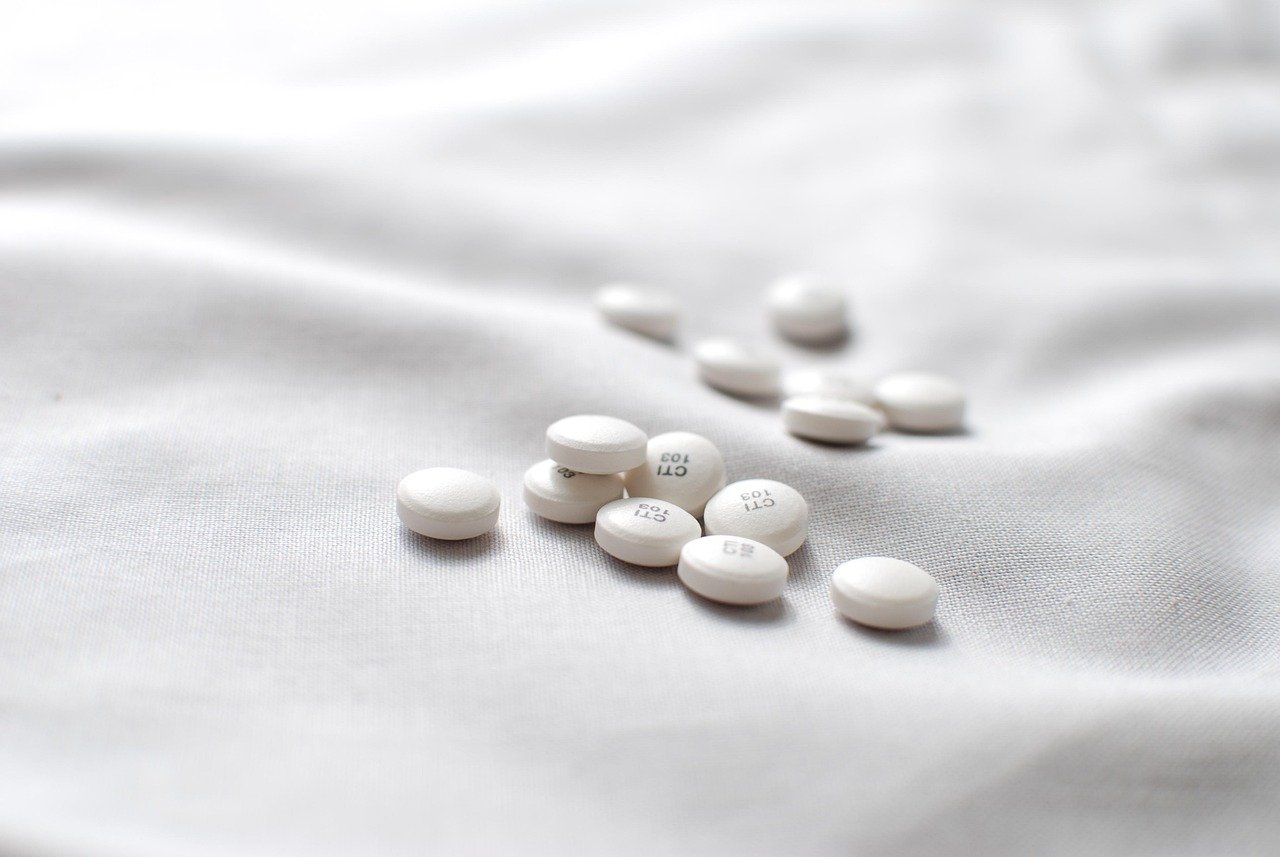
  • Why you might not be buying the right pain relief for period cramps

    Why you might not be buying the right pain relief for period cramps


    Are You Buying the Wrong Painkiller for Period Cramps? Here’s What the Data Reveals

    If you’ve been reaching for paracetamol every month to get through period pain, you might want to rethink your medicine cabinet strategy. New data from supermarket sales is suggesting that a huge number of women are routinely choosing a painkiller that’s actually far less effective for menstrual cramps — and it’s a pattern that health experts are calling a real concern.

    The findings have sparked a fresh conversation about women’s health, pain management, and why so many people simply don’t know which medication works best for this incredibly common condition. Spoiler alert: it’s not the one most of us have been grabbing off the shelf for years.

    What the Supermarket Data Actually Shows

    According to recent supermarket sales data from the UK, paracetamol massively outsells ibuprofen — even though ibuprofen is widely considered by medical professionals to be the more effective choice specifically for period pain. This isn’t a minor gap either. The difference in sales volumes points to a widespread habit that could mean millions of women are suffering more than they need to each month.

    Health experts have been pointing out for years that ibuprofen, which is a type of anti-inflammatory drug known as an NSAID (non-steroidal anti-inflammatory drug), works differently from paracetamol. It actually targets the underlying cause of the cramping rather than just dulling the pain signal. That’s a pretty big deal when you’re doubled over in agony on day two of your cycle.

    Paracetamol is a fantastic all-rounder for headaches, fevers, and general aches. But when it comes to the specific mechanism behind period cramps — which involves prostaglandins, the chemicals that cause the uterus to contract — paracetamol simply doesn’t have the same firepower. Ibuprofen actively reduces prostaglandin production, which means it goes to the root of the problem.

    Why Are So Many Women Choosing Paracetamol?

    This is where things get really interesting. It’s not like ibuprofen is some obscure medication — it’s right there on the same shelf, often at a similar price. So why are so many people defaulting to paracetamol? Experts suggest it comes down to a combination of habit, familiarity, and a serious lack of targeted education around women’s health.

    Paracetamol is often the first painkiller people are introduced to, whether for childhood fevers or general aches. It becomes the default “safe” choice in many people’s minds. And for a long time, period pain wasn’t a topic that got a lot of open, detailed discussion — meaning many women never received specific guidance on what actually works best for cramps.

    There’s also a perception issue at play. Some people associate ibuprofen with being “stronger” or “harsher” on the stomach, which can make them cautious. While it’s true that ibuprofen should be taken with food and isn’t suitable for everyone (including those with certain stomach conditions), for most healthy adults it’s perfectly safe when used as directed.

    The Science Behind Period Pain — and Why It Matters

    Period cramps, medically known as dysmenorrhoea, affect a staggering number of people who menstruate. Studies suggest that anywhere between 45% and 95% of menstruating women experience some level of period pain, with a significant portion describing it as severe enough to interfere with daily life. Yet despite how common it is, period pain has historically been dismissed, minimised, or simply under-researched.

    The cramping happens because the uterus contracts to shed its lining, and those contractions are triggered and amplified by prostaglandins. The higher your prostaglandin levels, the more intense the cramps tend to be. This is why NSAIDs like ibuprofen — which inhibit the enzymes that produce prostaglandins — can be so effective. They’re not just masking pain; they’re actually reducing the chemical process that’s causing it.

    Naproxen, another NSAID, is also considered effective for period pain and has the advantage of lasting longer in the body, meaning you may need to take it less frequently. Some women find one works better for them than the other, so it can be worth experimenting (within safe dosage guidelines, of course).

    What Health Experts Are Recommending

    Pharmacists and gynaecologists are largely in agreement: if you don’t have any contraindications to NSAIDs, ibuprofen should be your first choice for period cramps. The NHS in the UK, along with various other health bodies internationally, already recommends ibuprofen or other NSAIDs as the frontline treatment for dysmenorrhoea.

    Experts also suggest that timing matters. Taking ibuprofen at the first sign of cramps — or even slightly before your period is due if you have a predictable cycle — can help prevent prostaglandins from building up in the first place, making the medication even more effective. Waiting until the pain is already severe means you’re playing catch-up.

    For those who can’t take NSAIDs due to conditions like stomach ulcers, kidney issues, or asthma triggered by aspirin-like drugs, paracetamol remains a valid option and is absolutely better than nothing. The key message is about making an informed choice, not about dismissing paracetamol entirely.

    The Bigger Picture: Women’s Health and the Information Gap

    This story is about more than just which tablet to buy. It’s highlighting a persistent gap in health education when it comes to women’s bodies and women’s pain. For decades, conditions like endometriosis went undiagnosed for an average of seven to ten years. Period pain was routinely dismissed as something women just had to “push through.”

    The fact that supermarket data in 2024 can reveal that millions of women may be under-medicating their menstrual pain — not because the right option is unavailable, but because they simply weren’t told — speaks volumes about how much work still needs to be done in this space.

    Advocates for women’s health are calling for better education at the pharmacy level, clearer labelling on over-the-counter medications, and more open conversations about menstrual health in schools and healthcare settings. Because if women knew that a simple switch in their painkiller choice could meaningfully reduce their monthly suffering, most would make that change in a heartbeat.

    Practical Tips for Managing Period Pain More Effectively

    Beyond medication, there are several evidence-backed strategies that can help manage period cramps. Heat therapy — using a hot water bottle or heat patch on the lower abdomen — has been shown in studies to be surprisingly effective, sometimes rivalling medication in terms of pain relief. It works by relaxing the uterine muscles and increasing blood flow to the area.

    Regular exercise throughout the month (not just during your period) can also reduce the severity of cramps over time, as can reducing caffeine and alcohol intake in the days leading up to your period. Some research also points to omega-3 supplements as having a mild anti-inflammatory effect that may ease symptoms with consistent use.

    If your period pain is severe, regularly disrupts your daily life, or has suddenly worsened, it’s always worth speaking to a doctor. Conditions like endometriosis, fibroids, or adenomyosis can cause intense period pain and require specific medical management beyond over-the-counter solutions.

    A Simple Switch That Could Change Your Month

    The bottom line here is pretty empowering, actually. If you’ve been struggling through period pain every month with paracetamol and wondering why it’s not doing enough, the answer might be sitting right next to it on the pharmacy shelf. For most people, swapping to ibuprofen — taken with food, at the right dose, and ideally at the first sign of cramps — could make a genuine difference.

    It’s a small change with potentially big results, and it’s the kind of practical, science-backed health information that everyone deserves to have access to. Share this with someone who needs to hear it — chances are, you know a few people who’ve been reaching for the wrong painkiller for years.

    What do you think? Did you know ibuprofen was more effective than paracetamol for period cramps, or has this changed how you’ll approach pain relief going forward? Let us know in the comments!

    This article is for informational purposes only. Always consult a qualified healthcare professional before changing your medication routine, especially if you have existing health conditions or take other medications.


  • Hamilton’s first Ferrari win a statement to himself and rest of F1

    Hamilton’s first Ferrari win a statement to himself and rest of F1


    Lewis Hamilton’s First Ferrari Win in Barcelona Is the Comeback Story F1 Fans Have Been Waiting For

    It was the moment millions of Formula 1 fans around the world had been waiting for — Lewis Hamilton, draped in Ferrari red, standing on the top step of the podium. His victory at the Spanish Grand Prix in Barcelona wasn’t just a race win. It was a statement, a redemption, and perhaps the most emotionally charged moment of his legendary career.

    After months of doubt, criticism, and soul-searching, Hamilton silenced every single critic with one dominant performance. And if you thought his seven World Championships had already written the perfect story — think again. This chapter might just be the most compelling one yet.

    A Rocky Start to the Ferrari Era

    When Lewis Hamilton made the bombshell announcement in early 2024 that he would be leaving Mercedes — the team he’d won six of his seven titles with — to join Ferrari, the F1 world erupted. It was the kind of transfer that happens once in a generation. The greatest driver of his era, joining the most iconic team in motorsport history.

    But the reality of his first season in Maranello was far from the fairytale many had imagined. Hamilton struggled to adapt to the Ferrari’s driving style, found himself regularly outpaced by his younger teammate Charles Leclerc, and endured a string of disappointing results that had pundits openly questioning whether the move had been a mistake.

    There were whispers in the paddock — and plenty of loud voices outside it — suggesting Hamilton was past his prime. That the hunger was gone. That the 40-year-old legend had maybe made one career decision too many. It was a narrative that clearly stung the man himself.

    The Mental Battle Behind the Scenes

    Hamilton has always been refreshingly open about his mental health and emotional journey, and this period was no different. In various interviews throughout his debut Ferrari season, he admitted to moments of self-doubt — something rarely associated with a driver of his stature and confidence.

    He questioned whether he could still compete at the very highest level. He questioned whether he could truly master a car that felt so different from everything he’d known. For a man used to winning, the adjustment was brutal, humbling, and very public.

    But here’s the thing about Lewis Hamilton — he doesn’t quit. He never has. And those closest to him in the Ferrari garage knew that the best was yet to come, even when the results didn’t show it.

    Barcelona: The Stage Was Set for Something Special

    The Circuit de Barcelona-Catalunya has always been a circuit that rewards precision, technical understanding, and racecraft — qualities that Hamilton has in abundance. Heading into the Spanish Grand Prix weekend, there was a quiet confidence around his camp. Something felt different.

    From the moment qualifying began, Hamilton looked sharp. He was reading the car better, communicating more fluidly with his engineers, and crucially, he looked like a man who had finally made peace with the machine beneath him. When the lights went out on race day, that confidence translated directly to the track.

    Hamilton managed the race masterfully from start to finish. His tyre management was impeccable, his overtaking was clinical, and his decision-making in the pit stops was the kind of stuff that reminds you why he is considered the greatest of all time by so many in the sport. When he crossed the finish line in first place, the roar from the grandstands was deafening.

    The Emotional Scenes That Followed

    What happened next was pure, unfiltered emotion. Hamilton’s voice crackled over the team radio as he celebrated, a mix of relief, joy, and vindication all wrapped into one extraordinary moment. His engineers erupted. The Ferrari pit wall celebrated wildly. And across the world, fans who had never stopped believing in him celebrated right along with them.

    On the podium, Hamilton looked genuinely overwhelmed. This wasn’t the cool, composed champion who had stood on top of the world dozens of times before. This was a man who had been through the fire and come out the other side. The tears behind the eyes were visible. The weight that had been lifted from his shoulders was almost tangible.

    His post-race interviews were equally powerful. Hamilton spoke about how much this win meant to him personally — not just as a professional milestone, but as proof to himself that he still belongs at the very top of the sport. “I needed this,” he said simply. And honestly, that said everything.

    A Statement to the Entire F1 Grid

    Make no mistake — this wasn’t just a personal victory for Hamilton. It was a message sent to every other driver on the grid, every doubting pundit, and every fan who had written him off. Lewis Hamilton at Ferrari, fully settled and firing on all cylinders, is going to be a serious force for the remainder of this season and beyond.

    The timing couldn’t be more significant either. With the constructors’ and drivers’ championships still very much up for grabs, Ferrari will be buoyed enormously by this result. Hamilton and Leclerc now represent one of the most formidable driver pairings in the paddock — and teams like Red Bull, McLaren, and Mercedes will be taking very careful note.

    For Ferrari as a team, this win carries enormous emotional weight too. The Scuderia has been chasing consistent championship glory for years, and having Hamilton — a proven title winner — now finding his feet and delivering at this level is exactly what the team needs to believe they can go all the way.

    What This Means for the Rest of the 2025 Season

    With a win now under his belt, Hamilton will carry a very different kind of energy into the remaining races of the season. Confidence in motorsport is everything. Once a driver finds that groove — that perfect harmony between man and machine — the results can come thick and fast.

    Ferrari’s technical team will also be encouraged by the data from Barcelona. Hamilton’s feedback and his ability to get the maximum out of the car on race day gives them valuable information to build on. If they can continue to develop the car in the right direction, there’s no reason why Hamilton can’t challenge for multiple wins before the season is out.

    The broader F1 narrative has also shifted dramatically. What was beginning to look like a farewell tour for a fading legend has suddenly transformed into one of the most exciting storylines in the sport — a genuine title contender, a reinvigorated Ferrari, and a seven-time world champion with a point to prove.

    The Legacy Continues to Grow

    Lewis Hamilton’s career has been defined by moments that seemed impossible — records broken, championships won against the odds, and barriers shattered both on and off the track. His first win in Ferrari red is simply the latest chapter in a story that refuses to follow a conventional script.

    At an age when most drivers have long since retired, Hamilton is still competing at the very highest level, still pushing himself, and still delivering performances that leave the sport breathless. Whatever happens for the rest of the 2025 season, the Barcelona victory will be remembered as one of the defining moments of his extraordinary career.

    And for anyone who had started to wonder whether the Hamilton magic had faded — Sunday in Spain was your answer. Loud, clear, and delivered at 300 kilometres per hour.

    What Do You Think?

    Is Lewis Hamilton’s Barcelona win proof that he can still challenge for an eighth World Championship with Ferrari? Or is this just the beginning of a massive second act in red? Drop your thoughts and join the conversation — we want to hear from you!

    This article is for informational purposes only.


  • Tourist train overturns and injures 17 during Cártama tapas festival

    Tourist train overturns and injures 17 during Cártama tapas festival


    Tourist Train Flips at Spanish Tapas Festival — 17 People Injured in Shocking Cártama Accident

    What was supposed to be a fun, festive outing at a beloved local celebration turned into a frightening scene in southern Spain. A small tourist train overturned during the popular tapas festival in Cártama, a charming town in the Málaga province of Andalusia, leaving 17 people injured and dozens of onlookers in shock.

    The good news? Local authorities were quick to confirm that none of the injuries were life-threatening. Everyone involved was treated for minor to moderate injuries, and the situation, while alarming, did not turn into the tragedy it could have been. Still, the incident has sparked serious conversations about the safety of these beloved little tourist trains that roll through festive events across Spain and beyond.

    What Happened at the Cártama Tapas Festival?

    The accident occurred during Cártama’s annual tapas festival, a vibrant community celebration that draws locals and tourists alike with its incredible food, lively atmosphere, and traditional Andalusian charm. These festivals are a staple of Spanish culture — think streets filled with the aroma of freshly prepared bites, music in the air, and people of all ages enjoying the festivities together.

    The tourist train — one of those small, road-going trains made up of a motorized unit pulling several open or semi-enclosed carriages — was carrying passengers through the festival area when it overturned. The exact cause of the accident is still under investigation, but early reports suggest the train may have lost control or tipped during a turn. Spanish emergency services responded swiftly, arriving on scene to tend to the injured and secure the area.

    Seventeen people were confirmed injured following the incident. While that number sounds alarming, authorities were relieved to report that no one suffered critical or life-threatening injuries. The injured were assessed and treated, with some taken to local medical facilities as a precaution.

    Tourist Trains: Cute, Fun — But Are They Safe?

    If you’ve ever visited a Spanish town, a theme park, or a seaside resort, you’ve almost certainly seen one of these tourist trains. They’re a fixture at festivals, markets, and tourist attractions around the world — slow-moving, colorful, and designed to give visitors a fun, leisurely way to take in the sights without having to walk everywhere.

    But here’s the thing — these trains, while charming, have faced scrutiny before. Because they operate on regular roads rather than actual rail tracks, they’re subject to road conditions, tight turns, and the kind of unpredictable situations you wouldn’t encounter on a dedicated rail line. Their open-sided carriages also mean passengers have limited protection if something goes wrong.

    Safety regulations for these vehicles vary widely depending on the country and even the local municipality. In Spain, festival organizers are typically responsible for ensuring that any rides or vehicles operating at their events meet safety standards — but enforcement can be inconsistent. This incident is likely to put renewed pressure on authorities to review how these trains are inspected and regulated, especially at large public events.

    Cártama: A Hidden Gem in Málaga Province

    For those unfamiliar with Cártama, it’s a picturesque municipality nestled in the hills of Málaga province in southern Spain. It’s the kind of place that doesn’t always make the tourist brochures dominated by Marbella or the Costa del Sol, but it has a deeply authentic Andalusian character that draws visitors who want something a little more off the beaten path.

    The town’s tapas festival is one of its highlights — a celebration of local cuisine, community spirit, and the simple joy of good food shared with good company. Tapas culture is central to Spanish life, and festivals like this one are a way for towns to showcase their culinary identity and bring people together.

    It’s a real shame that what should have been a joyful occasion was disrupted by this accident. The people of Cártama and festival-goers who traveled to enjoy the event deserve better, and the community is no doubt shaken by what happened.

    The Response from Local Authorities

    Local authorities moved quickly to manage the aftermath. Emergency services were dispatched to the scene, injured passengers were given immediate care, and the area was secured to prevent further incidents. Officials were also at pains to reassure the public that, despite the dramatic nature of the overturn, no one was in a critical condition.

    An investigation has been launched to determine exactly what caused the train to overturn. Investigators will likely look at factors including the speed of the train, the condition of the road surface, the weight distribution of passengers across the carriages, and the mechanical condition of the vehicle itself. Whether the operator, the festival organizers, or some other factor is found to be responsible remains to be seen.

    Spanish media picked up the story quickly, with footage and images from the scene circulating on social media. The images showed the overturned carriages on their sides, with emergency responders working around the vehicle — a stark reminder of how quickly a festive moment can turn into an emergency.

    Social Media Reacts

    As with any unexpected incident at a public event, social media lit up almost immediately. People who had been at the festival or nearby shared their accounts of what they witnessed, while others expressed relief that the injuries weren’t more severe. The hashtag and related terms trended briefly in Spain as the story spread.

    Many commenters expressed sympathy for the injured and their families, while others used the moment to call for stricter safety standards at public events. “These little trains are everywhere at festivals and markets — I’ve always wondered how safe they really are,” wrote one user on X (formerly Twitter). It’s a sentiment that resonated with many who replied.

    Others pointed out that accidents involving tourist trains, while not extremely common, do happen with enough frequency to warrant serious attention. A quick search reveals similar incidents in various countries over the years — underscoring that this is not a uniquely Spanish problem but a broader question about how we regulate fun, low-speed vehicles operating in crowded public spaces.

    What Happens Next?

    In the immediate term, the focus will be on the recovery of those injured and on the investigation into the cause of the accident. If negligence or mechanical failure is found to be responsible, there could be legal consequences for those involved in operating or maintaining the train.

    Longer term, this incident may prompt Spanish authorities — both at the local and national level — to take a closer look at the regulations governing tourist trains and similar vehicles at public events. It’s the kind of wake-up call that, while unfortunate, can lead to meaningful improvements in safety standards.

    For the people of Cártama, the hope will be that this year’s tapas festival can still be remembered for its food, its community spirit, and its celebration of local culture — rather than being defined entirely by one frightening accident. The resilience of Spanish festival culture is remarkable, and there’s little doubt that Cártama will bounce back.

    A Reminder to Stay Safe at Public Events

    Whether you’re attending a festival in Spain, a fairground in the UK, or a street market in Australia, it’s always worth paying attention to the safety of any rides or vehicles you board. Check that operators look professional and that equipment appears well-maintained. If something feels off, trust your instincts.

    Events like tapas festivals are meant to be joyful, communal experiences — and the vast majority of the time, they are exactly that. But incidents like this one serve as an important reminder that safety should never be an afterthought, even at the most festive of occasions.

    We wish all 17 of those injured in Cártama a speedy and full recovery, and we hope the investigation brings clarity and — ultimately — positive change.

    What do you think? Should tourist trains at festivals face stricter safety regulations? Or is this a freak accident that shouldn’t change how we enjoy these events? Let us know your thoughts in the comments below!

    This article is for informational purposes only.